
Actions
About the Actions
The Kano-Maradi Railway Project integrates a structured approach to environmental responsibility, social inclusion and local economic development.
Through targeted actions and community-focused initiatives, Mota-Engil Nigeria ensures that infrastructure development generates tangible and lasting benefits for the territories and communities it serves.

Community Development Strategy
A Model Based on Inclusion, Listening and Long-Term Value
Mota-Engil Nigeria’s Community Development Strategy is aligned with the Group’s Social Responsibility Policy and Human Rights, Employees’ Rights and Protection of Communities Practical Guide. The approach ensures that each project delivers measurable benefits and respects the specific context of each territory.
Guiding Principles
- Respect for human dignity and cultural diversity
- Promotion of inclusion, equity and active community participation
- Compliance with national laws and international standards
- Prevention and mitigation of negative impacts through fair, participatory solutions
Community Planning and Involvement
Initial diagnosis includes:
Mapping of local stakeholders and vulnerable groups
Identification of cultural and environmental sensitivities
Social and environmental risk assessment
Community Consultation
- Led by a dedicated Community Liaison Officer (CLO) team:
- Public meetings, interviews and focus groups
- Tailored communication (radio, visual materials, local languages)
- Recorded responses and formal feedback processes
Active Participation and Representation
- Shared definition of priorities and needs
- Involvement in decision-making bodies
- Capacity building and training
- Community-based monitoring of project impact and progress
- Mota-Engil Nigeria sees local communities as strategic partners and ensures every project is inclusive, transparent and respectful of the territories it transforms.

Local Employment
Investing in National Talent and Inclusive Growth
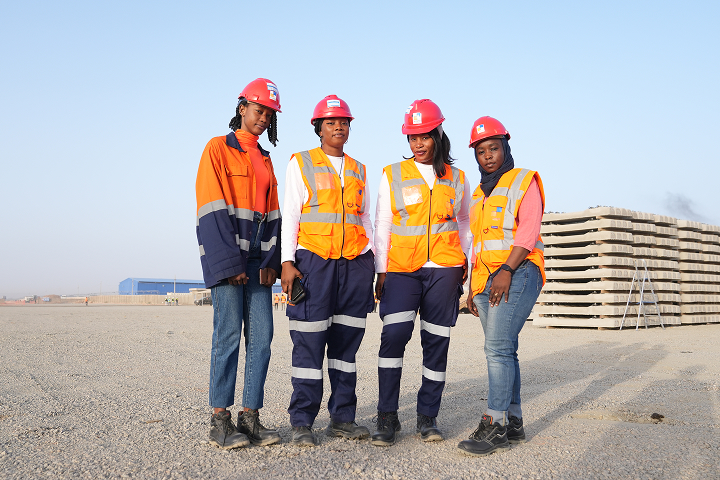
Mota-Engil Nigeria places local employment at the centre of its sustainability strategy. Across all projects, the company prioritises the recruitment of Nigerian workers to ensure direct local benefit. Structured hiring practices, clear labour conditions and skills development programmes support workforce inclusion and long-term professional growth. The Kano–Maradi Railway Project alone has created thousands of jobs for local communities.
Key Programmes
- StartME: Annual internship programme for Nigerian university graduates
- Summer Internships: Short-term opportunities for students seeking professional experience
- NYSC Programme: National Youth Service placements for graduates under 30
- Local Recruitment: Direct engagement with communities and universities to attract local talent
- Mota-Engil Nigeria’s investment in people strengthens national development and builds long-term value through knowledge, opportunity and inclusion.

Community Actions
Inclusion, Proximity and Measurable Social Impact
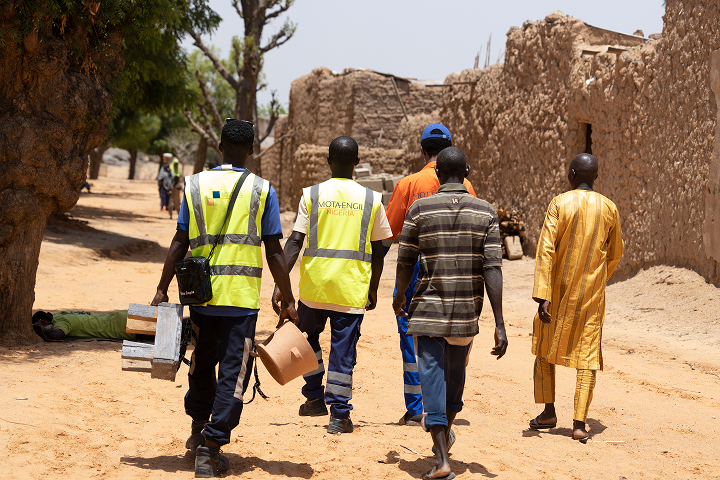
The Kano–Maradi railway project includes a structured approach to social responsibility, focusing on inclusive development, community proximity and real social value along the corridor.
Community Engagement and Dialogue
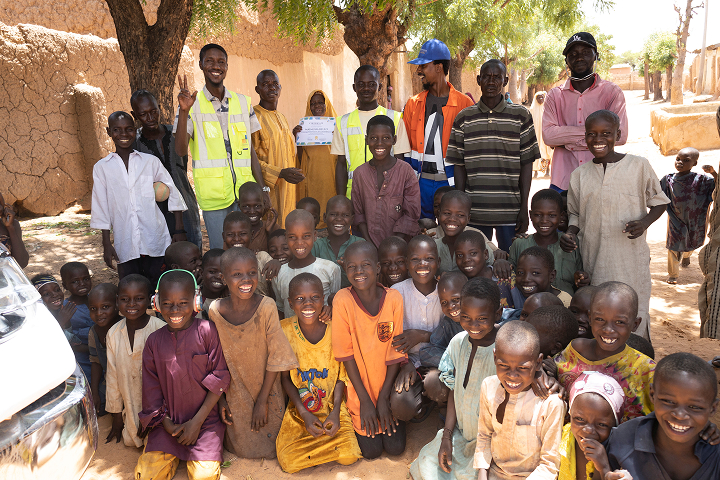
- Community meetings and open forums
- Women, Pastoralists and Farmers-focused discussion sessions
- Resettlement and grievance management committees at local, state and national levels
These mechanisms ensure transparency, local participation and effective responses to community needs.
Direct Support to Communities
Donation of school desks made from recycled wood
Provision of concrete pavement blocks for hospitals and public spaces
Construction materials to improve road access and reduce flood risks
Materials to support local furniture production
Support the construction of pedestrian crossings to improve safety near schools
Health, Safety and Environmental Awareness
- Environmental education campaigns
- Railway safety awareness
- Community and Workers clean-up days
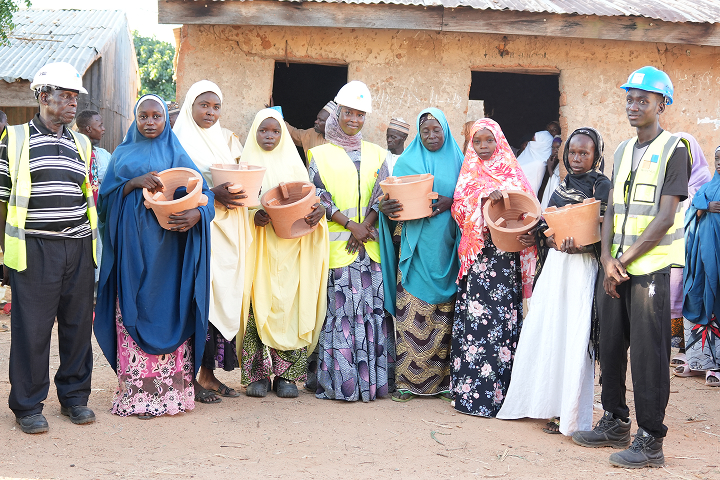
Support for Vulnerable Groups
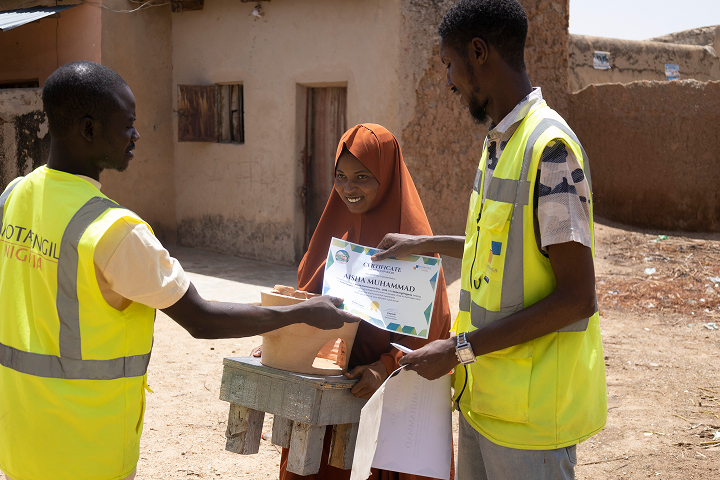
- Distribution of energy-efficient ceramic stoves
- Provision of basic furniture and home essentials for improved comfort and safety
Water Access and Climate Resilience
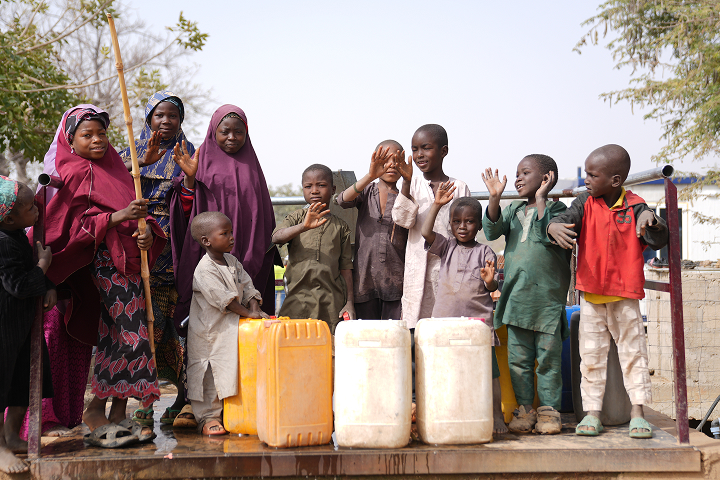
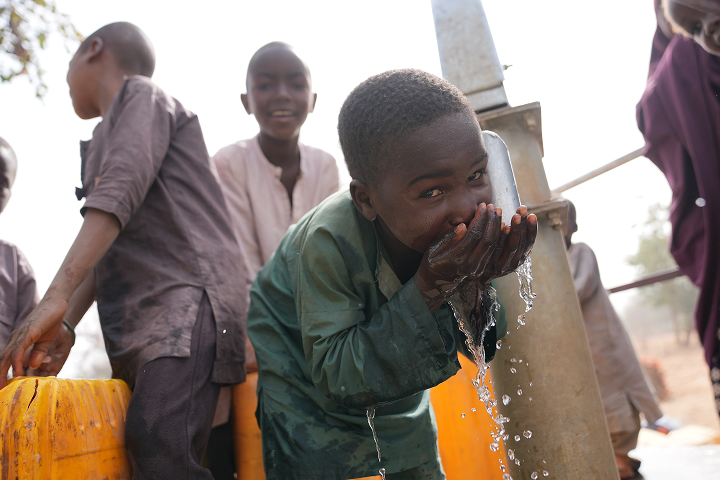
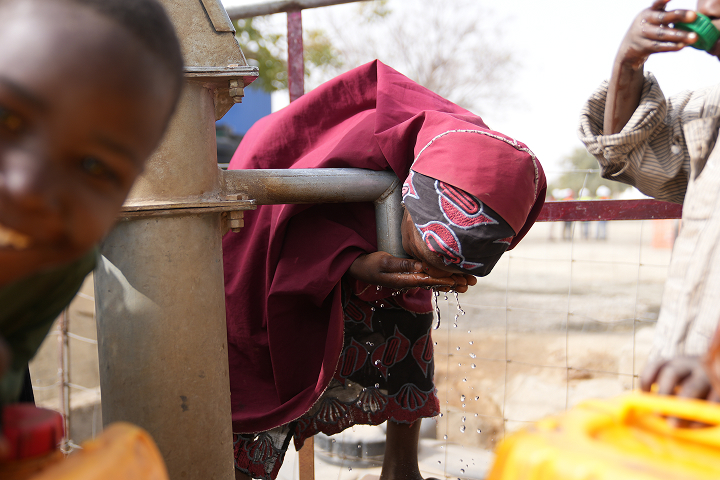
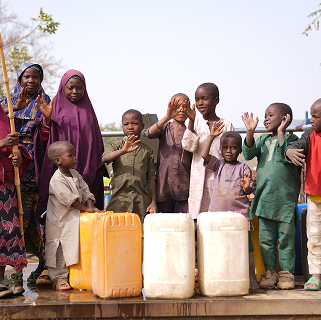
- Community-accessible borehole, supplying water to nearby villagesReuse of treated water from site wastewater plants for dust control and irrigation
Gallery
Infrastructure and Community Impact