Railways
About the Project
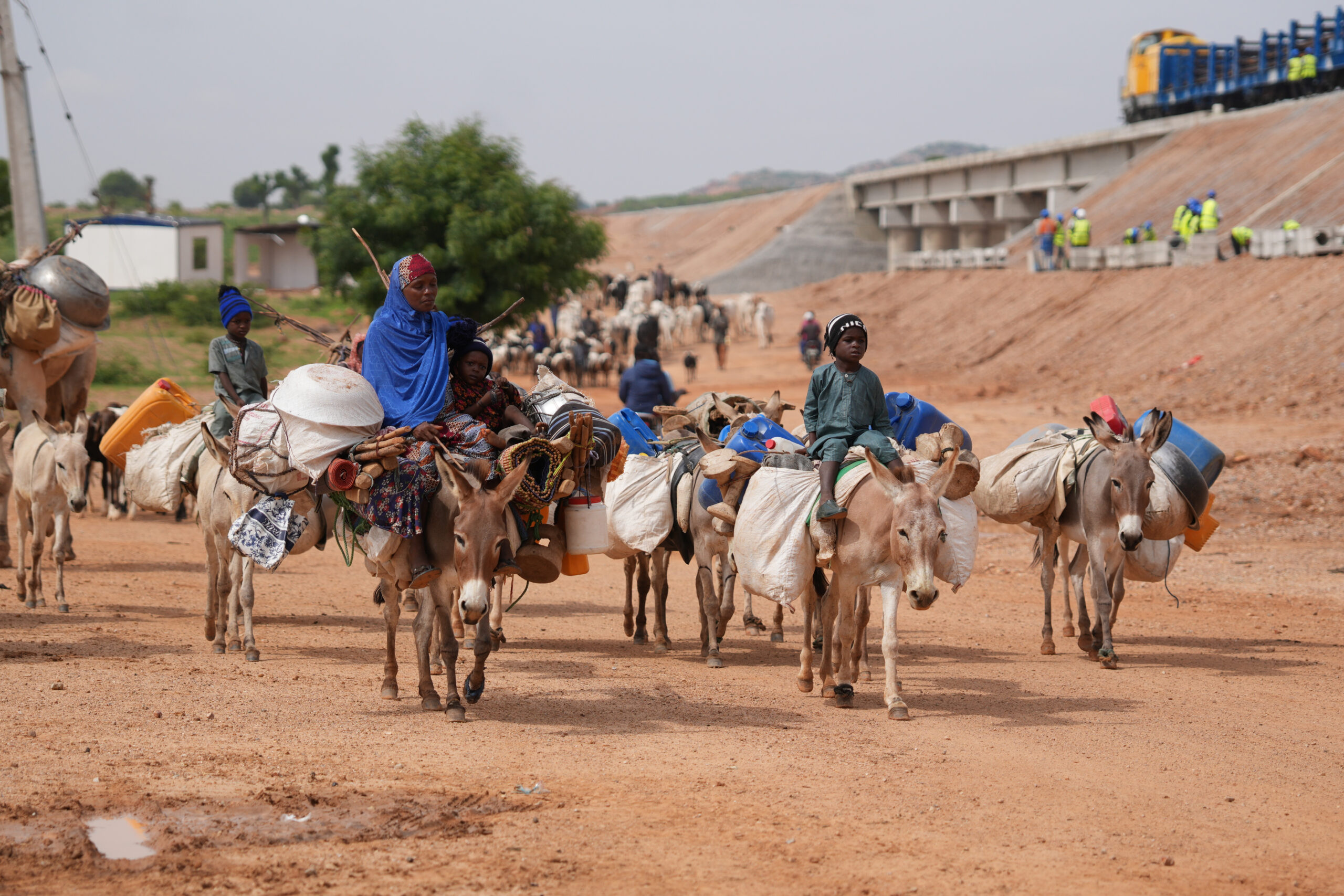
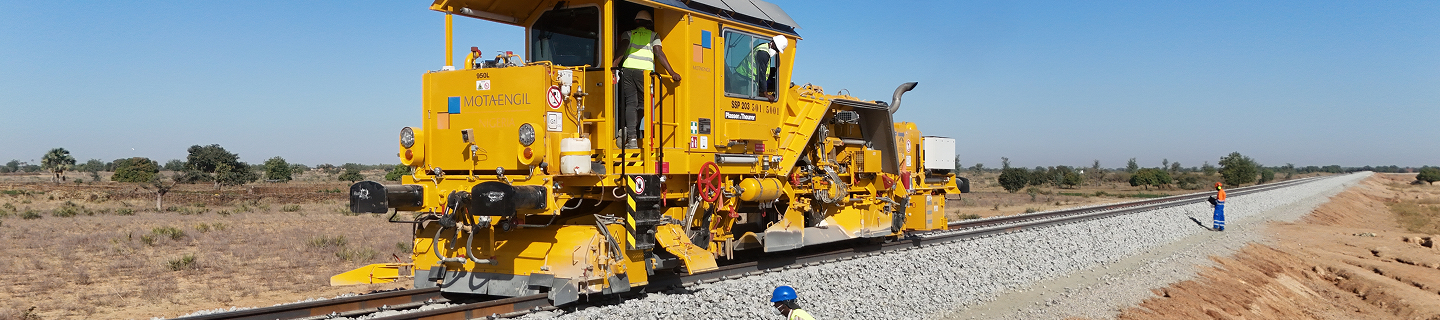
This strategic infrastructure will integrate rail and road transport systems to improve the movement of passengers and goods. The project strengthens Nigeria’s national rail network by creating a fast, safe and sustainable transport corridor that supports regional logistics and economic integration in West Africa.
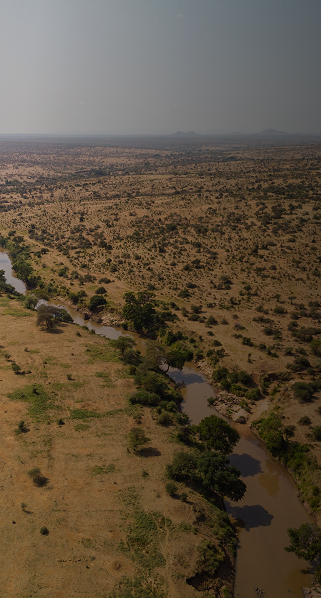
The Line
Sustainable Railway Nigeria

Project Resources & Main Quantities
 6,000
6,000
 2,080
2,080
 Earthworks
25,000,000 m3
Earthworks
25,000,000 m3
 Sleepers
797,735 units
Sleepers
797,735 units
 Bridges & Overbridge
157 units
Bridges & Overbridge
157 units
 Stations
10 units
Stations
10 units
 60 UIC Rails
57,000 TON
60 UIC Rails
57,000 TON
 Concrete
194,155 m2
Concrete
194,155 m2
 Ballast
840,747 m3
Ballast
840,747 m3

Site Camps

Precast Factory

Sleepers Factory

Concrete Batch Plant

Crusher (Quarry)

Objectives and Benefits
Project Objectives
The main objectives of the Kano–Maradi Railway Project are to:
- Improve regional and cross-border connectivity between Nigeria and Niger
- Facilitate the safe, efficient, and cost-effective movement of people and goods
- Support regional trade, economic growth, and integration
- Provide a modern and sustainable transport alternative to road traffic
- Ensure compliance with environmental, social, and health & safety standards
Economic and Social Benefits
The project is expected to deliver significant socio-economic benefits, including:
- Reduction in transport costs and travel time
- Improved access to markets for agricultural and industrial products
- Creation of employment opportunities, both direct and indirect
- Stimulation of local economies along the project corridor
- Enhanced access to services and mobility for communities
Environmental and Safety Benefits
From an environmental and safety perspective, the project contributes to:
- Reduced pressure on road networks and lower accident risks
- Decreased vehicle emissions through modal shift from road to rail
- Promotion of sustainable transport infrastructure
- Implementation of mitigation measures to protect biodiversity, water resources, and communities, as defined in the ESIA
Institutional and Regional Benefits
At a broader level, the project:
- Strengthens bilateral cooperation between Nigeria and Niger
- Supports regional development strategies and infrastructure plans
- Aligns with international development goals related to sustainable transport and inclusive growth
Technologies Used
Civil Works and Engineering Structures
Advanced engineering solutions are applied for:
- Drones (topographic surveys)
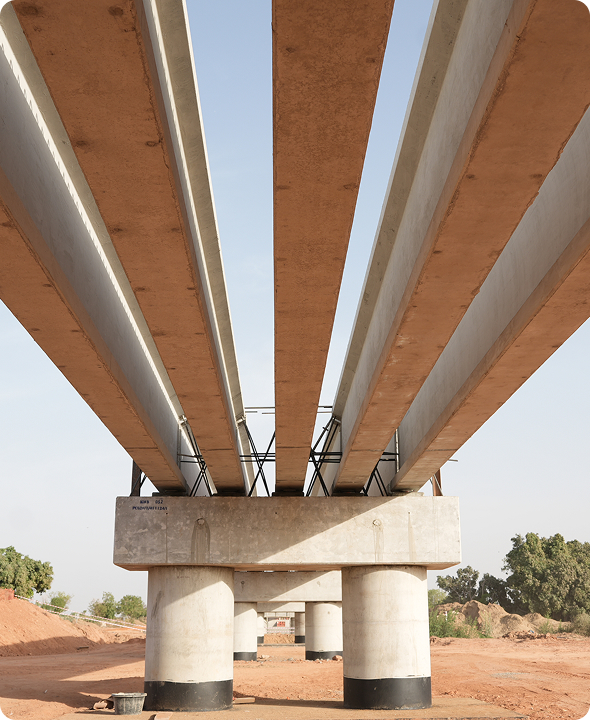
- Bridges, culverts, and drainage structures
- Earthworks and embankments designed for stability and flood resilience
- Railway stations, depots, and maintenance facilities
Designs consider local geotechnical and hydrological conditions to ensure durability and climate resilience.
All construction activities follow defined Environmental and Social Management Plans (ESMPs).
Energy and Utility Systems
The project integrates hybrid energy solutions, including:
- Grid connection where available
- Diesel generators with efficiency controls
- Solar photovoltaic systems at selected facilities and site camps
These technologies reduce fuel consumption, emissions, and operational costs.
Environmental Management Technologies
To minimize environmental impacts, the project implements:
- Wastewater Treatment Plants (WWTPs) at site camps
- Waste segregation, recycling, and controlled disposal systems
- Spill prevention and hazardous materials management measures
- Noise and dust monitoring and mitigation technologies
Health, Safety, and Monitoring Systems
The project applies internationally recognized health and safety technologies and procedures, including:
- Traffic and railway safety controls
- Monitoring of environmental parameters (air quality, noise, water)
- Emergency preparedness and response systems

Environmental, Social and Economic Impact
Environmental Impact
The Kano–Maradi Project is designed to minimize environmental impacts. Any temporary disturbances are managed through the implementation of Environmental and Social Management Plans (ESMPs), continuous monitoring, and progressive site restoration, ensuring responsible environmental performance throughout the project lifecycle.
Social Impact
The project supports local development through job creation, stakeholder engagement and fair land access and compensation mechanisms. Social risks are managed through consultation, grievance procedures and inclusive planning.
Economic Impact
As a strategic infrastructure investment, the project boosts regional connectivity between Nigeria and Niger, creates employment, supports local businesses and drives long-term economic development.